


















Essential Supplies for Epoxy Resin Artists
March 2026
Resin art is one of those crafts that looks effortless, until you try your first pour. The good news is that great results come down to a simple formula: the right materials, the right setup, and a little practice. To get predictable and successful results, you’ll need a short list of resin craft supplies for measuring, mixing, and curing.

We created this beginner-friendly checklist to help new artists get started; it also doubles as a “restock list” when supplies run low!
Quick Checklist of Resin Craft Supplies and Materials
These are the essentials most resin artists reach for on every project.
Core Materials
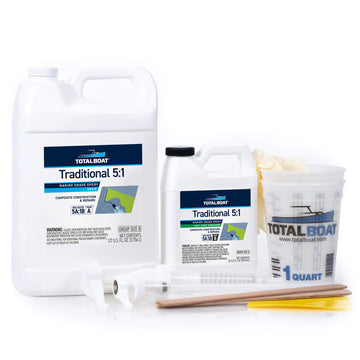
- Epoxy resin + hardener (choose a coating or casting resin based on your project)
- Resin pigments: mica powders, alcohol inks and pigment dispersion
Safety & Workspace Protection
- Nitrile gloves
- Eye protection
- Respirator and good ventilation
- Drop cloth or plastic sheeting for tables/floors
- Silicone mat for tables/workbenches
- Apron or old clothes
Measuring, Mixing & Pouring Tools
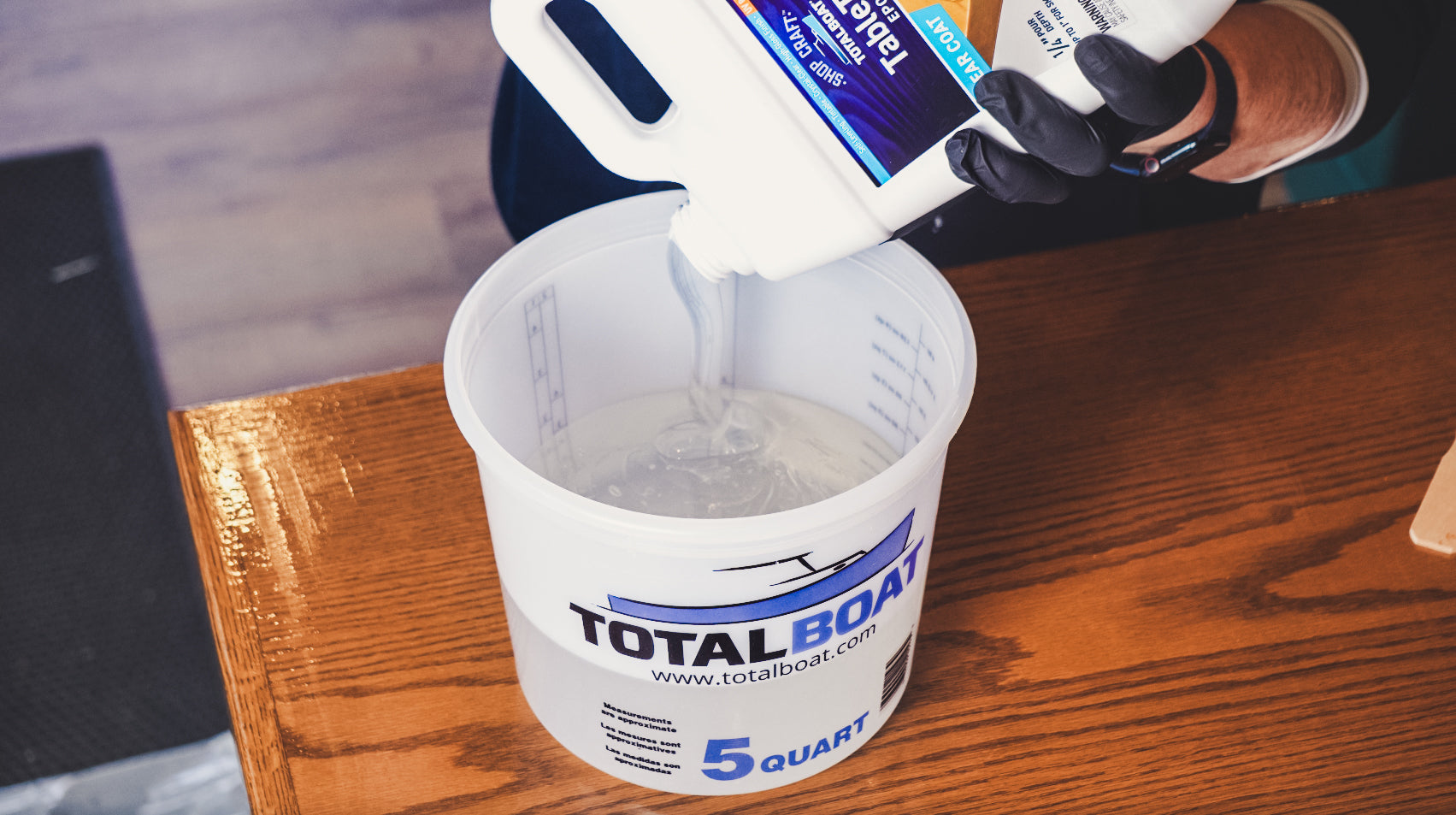
- Graduated mixing cups (or a digital scale if mixing by weight)
- Stir sticks or silicone stir tools
- Spreader (for coating art pieces)
- Level, or leveling table (helps avoid lopsided cures)
- Heat gun or small torch
Pro Tip: A heat gun is a safer option for popping bubbles, especially if you are working with smaller molds. A torch is great for popping bubbles on large surfaces like table coatings, but can burn smaller molds used for arts and crafts.
Molds & Add-Ins
- Various silicone molds (trays, coasters, jewelry)
- Mold release (helpful for detailed molds, or deeper molds like paperweights)
- Inclusions: glitter, shells, dried flowers, decals, photos (sealed), stones
Finishing & Cleanup Supplies
- Isopropyl alcohol + paper towels/cotton rags (for cleanup on tools/surfaces)
- Sandpaper (multiple grits), polishing compound
- Microfiber cloths
- UV resin (for touchups and adding hardware)

Resin Materials 101
Now that you know WHAT to get, let’s get into WHY you need it.
Choosing the Right Epoxy Resin for Your Project
Not all epoxy resin is the same, so choose the right formula for your resin art project:
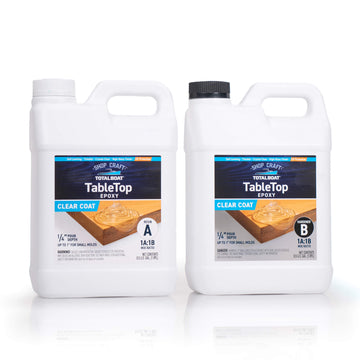
- Coating Epoxy is made for thin pours over a surface. Often called table top epoxy, this formula self-levels and cures to a glossy finish, creating durable, smooth finishes on tables, bars, and counters. It can be great for epoxy art projects like creating ocean waves on charcuterie boards or sealing canvas artwork. Coating epoxies can be used in silicone molds, but often have a higher viscosity (meaning it’s thicker) and won’t flow into smaller intricate molds as well as a thinner viscosity epoxy.
- Casting Epoxies, or deep pour epoxy resins, are made for thicker pours in molds, like encapsulated flowers , larger decorations like paperweights and coasters, or river-style pours. They are formulated to manage heat better in deeper layers and you can choose between traditional and fast set formulas depending on your project needs.
Pro Tip: Some deep pour epoxies have a minimum pour depth and extended cure times at larger volumes. Always reference the manufacturer for final specs to keep your cures perfect. - Artist Epoxy is a happy medium between coating and casting formulas. It typically has a lower viscosity, but doesn’t have a minimum pour depth requirement to cure like deep pour epoxies. This type of epoxy tends to cure quickly and can be ready to demold within 24 hours for fast turnaround.

Epoxy resin tray with orange slices made by Jenny Schlemon with TotalBoat TableTop Epoxy.
How Much Epoxy Do I Need?
For molds, the easiest method is to fill the mold with water first, then pour the water into a measuring cup to see the volume. Dry the mold completely before using epoxy (water can cause curing issues or cloudiness). If you’re doing a larger project, like coating a table or working with a very large deep pour mold, you can use this epoxy calculator to determine how much you will need.
Safety Supplies for Creating Resin Art
If you are new to working with epoxy resin, safety supplies are not something to skip. Resin can irritate skin, and good safety habits make creating resin art more fun and comfortable long-term.
- Use nitrile gloves (they hold up better than latex for many materials)
- Wear eye protection, especially when mixing, pouring, or using heat tools
- Consider long sleeves to protect your skin and an apron to protect your clothing.
Ventilation and Respirators
Many artists work with epoxy resin in well-ventilated spaces, and some also choose a respirator, especially for frequent work, large volume pours, or sensitivity concerns.
Pro Tip: Keep your workspace clean and dust-free. Dust is one of the sneakiest causes of a ruined project. Use a simple dust cover while curing (a plastic tupperware works), and keep pets/hair/fabric away during the cure window.
Measuring and Mixing Tools
Good resin art starts before the pour: precise measuring and patient mixing.
Measuring Cups vs. Scales
- If your epoxy resin mixes by volume, graduated cups are straightforward.
- If it mixes by weight, use a digital scale for accuracy.
Many epoxy resins can be mixed by either volume or weight, so it’ll come down to a personal choice. Always check the formula’s label for proper measurements.
Mixing sticks, Silicone tools, and Containers
Common mistakes happen at the mixing stage. Always use clean, dry tools, as water can cause cloudy cures.
Pro Tip: If you plan to do a lot of epoxy resin art, consider investing in silicone mixing sticks and cups, so you can reuse them.
Bubble Control
Bubbles are normal, especially if you’re new to working with epoxy (and even if you’re an experienced resin artist)!
- A heat gun can help pop surface bubbles without an open flame
- A torch is effective, but requires care around heat and flammables, and can ruin delicate molds if not used with care.
- Some artists use a light spritz of 99% isopropyl alcohol for surface bubbles. This can be a very effective method to reduce bubbles without heat.
Pro Tip: Having 99% isopropyl alcohol on hand is not only great for helping manage bubbles, but it also can be used to facilitate lacing when making resin waves and other special effects.
Molds, Surfaces, and Add-Ins
This is the fun part of your supply check list, as the silicone mold options and inclusions for epoxy resin are endless.
Silicone Molds
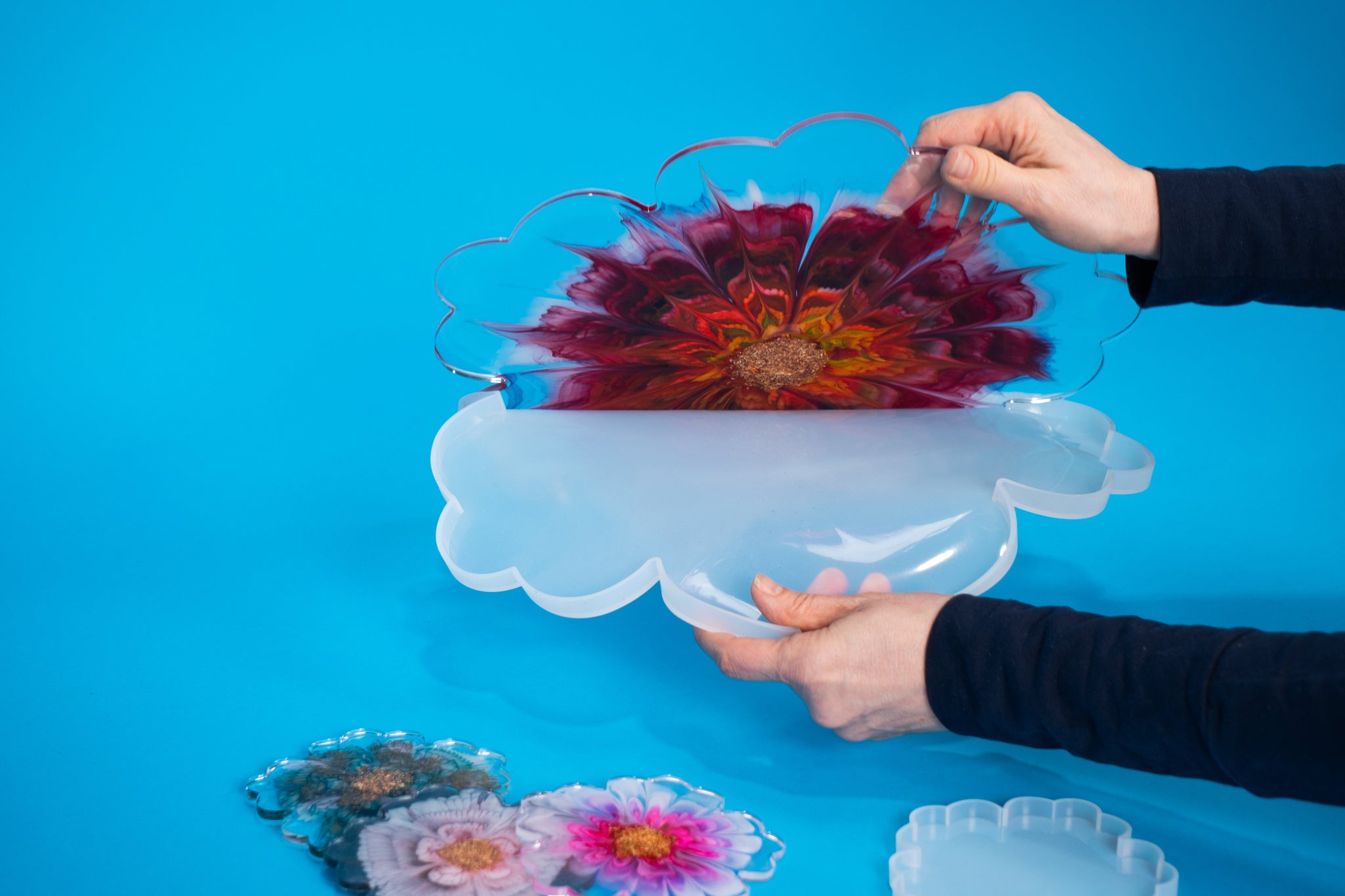
Silicone molds are popular because cured resin releases easily and the molds are reusable. Coasters, trays, jewelry molds, and small casting shapes are great beginner wins. Once you're comfortable with the basics, large silicone molds open the door to more ambitious projects like preserved bouquets and wood-and-resin charcuterie boards.
Colorants and Pigments
Use colorants designed for epoxy resin, and remember that too much pigment can interfere with curing. Start with tiny amounts and build color gradually. Mica powder will create a metallic effect, while alcohol inks can give a translucent, stained glass feel. If you want an opaque finished piece, opt for pigment dispersions.
Inclusions
Fun inclusions include glitter, gold leaf, shells, stones, or dried flowers.
Pro tip: Some inclusions can float. To avoid this, pour in layers or wait until the epoxy thickens slightly before placing them.
Finishing Supplies: Sanding, Polishing, and Final Details
Even the best pours sometimes need finishing, especially demolded castings.
Sandpaper and Wet Sanding
You won’t always need sand paper, but it’s a good idea to have a range of grits on hand. Sand paper is needed if you plan to use a polishing compound on your final piece. For smoothing and polishing your epoxy resin art, it will depend on the shape and size.
Pro Tip: Most flat surfaces, like trays, coasters and jewelry, can be domed with another layer of epoxy to achieve a shiny finish.
Polishing
Polishing compound + a microfiber cloth (or a buffing pad) can bring back shine after sanding.
UV Resin
UV resin is nice to have on hand for minor post-cure fixes and finishes. It can be great for attaching jewelry findings like earring posts, or for doming small pieces.
Cleanup and Storage Tips for Resin Artists
Cleanup is easiest when you tackle it before your resin cures. Wipe uncured resin from tools and surfaces immediately using isopropyl alcohol and paper towels or cotton rags. Silicone tools like mixing cups and stir sticks can be fully cured (let leftover resin harden inside them), then peeled clean and reused — one of the many reasons silicone is worth the investment.
Never pour uncured resin down the drain. Let any waste resin cure fully before disposing of it according to your local guidelines.
Protecting Your Workspace During and After
Keep a drop cloth or plastic sheeting under your project, and use a silicone mat on your workbench for easy peel-up cleanup. If you accidentally get resin on a surface, act fast — cured epoxy is very difficult to remove.
Storing Your Resin and Supplies
To extend the shelf life of your epoxy resin and hardener, store them sealed, at stable room temperatures, and away from moisture and direct sunlight. Exposure to humidity or extreme temperatures can affect how well they cure. Always replace caps tightly after each use.
For pigments and colorants, keep them labeled and sealed to avoid contamination between projects. Store sticks, molds, and reusable tools clean and dry so they're ready for your next pour.
Pro Tip: Most epoxy resins have a shelf life of around 12 months once opened. If your resin or hardener has yellowed, thickened unusually, or won't mix clear, it may be past its prime — check with the manufacturer before using it on a project.
Storage and Shelf Life
To avoid having your epoxy resin and hardener go bad, keep it sealed, stored at stable temperatures, and away from moisture. Label your pigments and keep tools clean to avoid contaminating future batches.
Commonly Asked Questions for Beginning Resin Artists
What are some basic resin craft supplies for beginners?
At minimum: epoxy resin + hardener, nitrile gloves, workspace protection, measuring/mixing tools, a mold or surface to pour on, and a way to manage bubbles (heat gun or torch).
Do I need a respirator for epoxy resin art?
Many artists prioritize ventilation and some choose respirators, especially if they work frequently with epoxy or are sensitive. Follow your product’s SDS and safety guidance.
What’s the easiest resin project to start with?
Coasters in silicone molds, small trays, and jewelry are common projects to start with. You can easily customize any of those with different inclusions and pigments.
Why is my resin cloudy or full of bubbles?
Common causes include moisture on tools/surfaces, mixing too fast, working in a cold room, or pouring too thick for the resin type.