



















How to Stain and Finish Interior Wood
Wood staining is one of the easiest ways to elevate your woodworking projects. Once you understand how the stain works with the grain, the proper prep needed, and what topcoat to use, the process becomes second nature. This guide walks you through it from start to finish: sanding and surface prep, applying and wiping the stain, choosing a finish, and protecting your work so it lasts.

What You'll Need
Gather your supplies before you begin. Running out of rags or sandpaper mid-project can cause real headaches, like lap marks or uneven drying, so it pays to be prepared.
- 220- and 320-grit sandpaper
- Lint-free cotton rags (more than you think you'll need)
- Denatured alcohol
- Interior wood stain in your color of choice
- Natural or China bristle brush (if brushing rather than wiping)
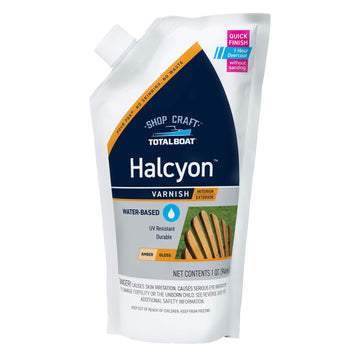
- Clear protective topcoat: oil- or
water-based varnish , polyurethane finish, epoxy resin, or a wipe-on gel finish - Nitrile gloves and eye protection
- A sealed, water-filled metal container for disposing of used rags
A note on stain types
Interior wood stains come in three main formulas. Oil-based stains penetrate deeply into the wood grain for rich, even color and are compatible with a wide range of topcoats. Water-based stains dry faster, have lower odor, and clean up with soap and water, making them a good choice for indoor projects with limited ventilation. Gel stains have a thicker consistency that sits more on the surface than it penetrates, which makes them useful for blotch-prone woods like pine or cherry, or for applying stain to vertical surfaces without drips. The steps in this guide apply to all three types, though dry times and cleanup will vary by formula, so always check your product's instructions.
Safety note
Rags soaked with oil-based stain or finish can spontaneously combust if left in a pile. As soon as you're done with them, place used rags in a sealed, water-filled metal container and dispose of them according to local regulations. This applies every time, not just when you think the rags are "really" soaked.

Pro Tip: Get rags in bulk so you're never scrambling mid project to find a clean rag

Example: Gel finish over wood stain
Step by Step Staining and Finishing Interior Wood
Step 1: Sand the Wood
Good prep is the foundation of a great finish. Even a premium stain will look blotchy or uneven on a surface that hasn't been properly sanded, so don't rush this part.
Start with 220-grit sandpaper and work in the direction of the grain. Sanding against the grain leaves fine scratches that catch the stain and show up as dark streaks in the finished surface. Sand until the entire surface feels uniformly smooth with no rough patches or mill marks.
For bare, new wood, one thorough pass with 220-grit is usually sufficient. If you want a very refined surface on fine furniture or tight-grained hardwoods, a follow-up pass with 320-grit will close the pores slightly for more even color absorption.
If you're working on a previously finished piece, the existing coating needs to come off completely before you stain. Penetrating oil-based stains absorb into bare wood, and they won't penetrate through a sealed surface no matter how hard you sand.
Step 2: Clean the Wood Before Staining
Once you've finished sanding, the surface will be covered in fine dust that will interfere with how the stain absorbs. Vacuum thoroughly, then follow up with a clean, dry, lint-free rag to pick up anything that's left behind.
For the final prep wipe, dampen a fresh rag with denatured alcohol and go over the entire surface. This removes oils, fingerprints, and any residual contamination that could cause the stain to absorb unevenly. If you use alcohol, allow the surface to dry for at least 10 to 15 minutes before you apply stain.
Do not use water to clean bare wood before applying an oil-based stain. Water raises the grain and can create adhesion issues with oil-based products.
Step 3: Apply the Stain
Once the wood is clean and dry, you're ready to stain. The process is straightforward, but timing matters.
Stir Thoroughly First
Shake the container well, then give it a good stir to make sure the pigment is evenly distributed throughout the product. Pigment settles over time, and starting with unstirred stain can lead to inconsistent color from one end of your project to the other. Do not thin the stain unless the product instructions specifically say to. Thinning changes how pigment distributes in the wood and usually creates more problems than it solves.
Apply in the Direction of the Grain
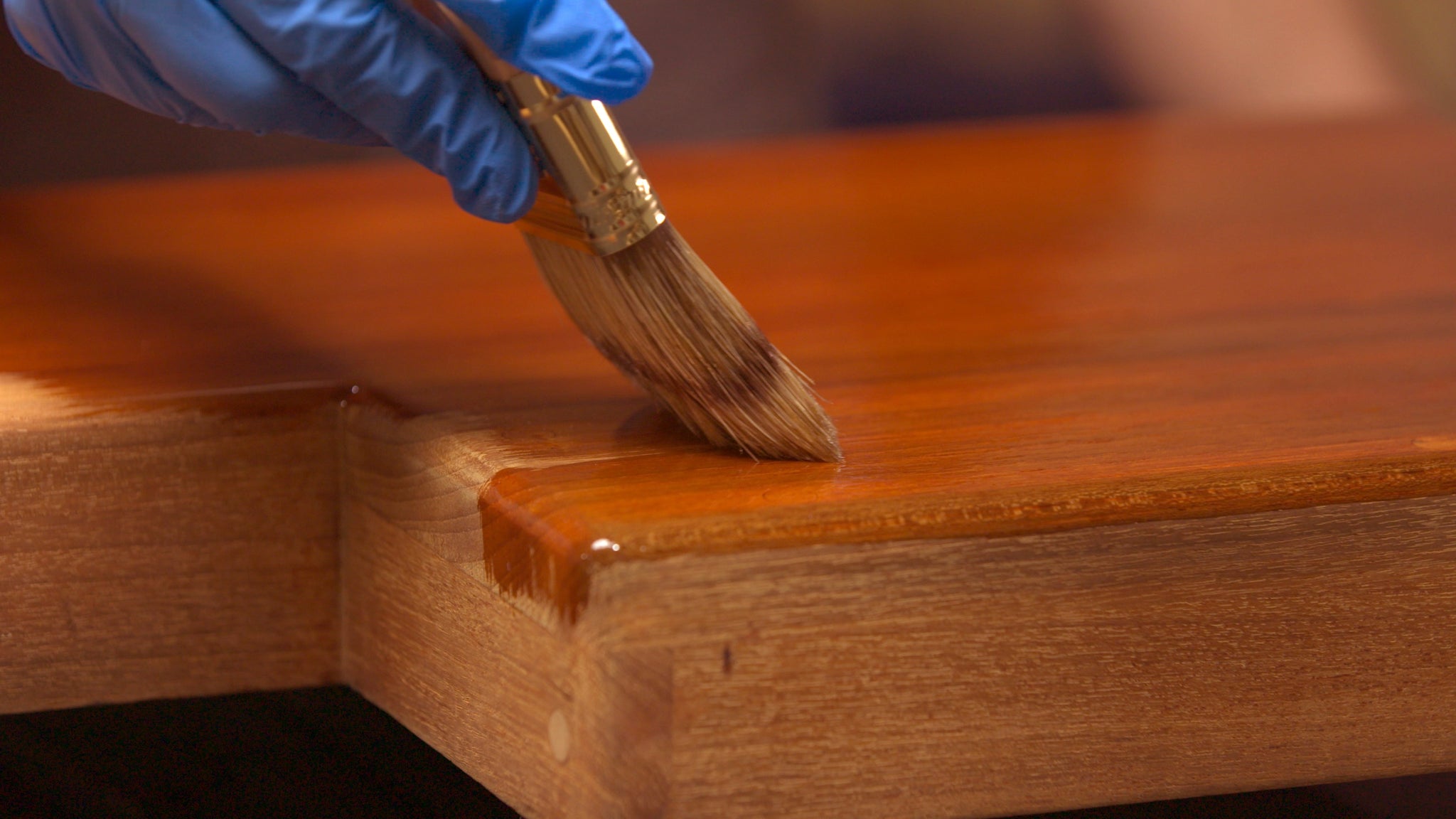
Apply stain with a brush, rag, or spray, working in the direction of the wood grain. Whether you're brushing it on or wiping it on with a folded cotton rag, the goal is a uniform, even layer without puddling or buildup in corners. Work in sections you can manage, so you can keep up with the wipe-off step before the stain starts to set.
The ideal working conditions for most oil-based interior stains are between 70 and 80°F at less than 50% relative humidity. In temperatures above 80°F, the stain can dry too fast and leave a streaky or uneven finish. In cooler conditions, it may take significantly longer to dry before you can topcoat.

Wipe Off the Excess
Within 1 to 2 minutes of applying the stain, wipe off any material that hasn't absorbed into the wood using clean cotton rags. Wipe in the direction of the grain while the excess stain is still liquid and not tacky. This is the step that many beginners miss to their own detriment, as excess stain will dry on the surface rather than penetrate the wood, leaving a gummy, blotchy film that's difficult to fix.
One Coat Is Usually Enough
For most applications, a single coat of penetrating stain delivers a full, rich tone. If you want a darker color, a second coat can be applied once the first has dried completely. Under ideal conditions, most oil-based interior stains are ready for a second coat in about 30 to 45 minutes. Water-based and gel stains have their own recoat windows, so check your product's instructions for specific timing. In all cases, cooler or more humid environments will extend dry times considerably.
If you plan to topcoat with a water-based or epoxy product, allow at least 24 hours of dry time after the final stain coat before applying.

A Note on Staining Wood Filler
If your project has nail holes, small gouges, or other imperfections that you've filled, it's worth knowing that staining wood filler is one of the trickier parts of the process. Most fillers absorb stain differently than the surrounding wood, which can make filled areas appear lighter or darker after staining.
The best approach is to use a stainable wood filler, test your stain on a sample piece that includes both the filler and bare wood, and then adjust your expectations before you commit to the full project. Apply filler before you stain, let it cure completely, and sand it flush with the surrounding surface before cleaning and staining as normal. If the color still doesn't match perfectly after staining, a wood tone marker or a second targeted stain application can help blend things in before you topcoat.
Step 4: Apply a Protective Topcoat
Stain is a penetrating colorant, not a finish. Once it's dry, the wood still needs a clear topcoat to seal and protect from moisture, scratches, and wear. Skipping this step will lead to fading and deterioration over time, regardless of how nicely the stain went on.
There are a couple of great finish options to consider depending on the project and the look you're after.
Interior Varnish
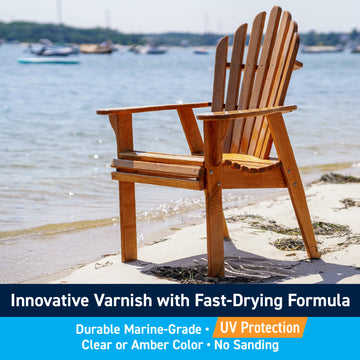
Varnish is one of the most popular topcoat choices for stained interior wood, and you have two main formulas to choose from: water-based and oil-based. Both build a durable, protective layer over your stain, but they have different working properties and timelines worth knowing before you pick one.
Water-based varnish dries to a UV-stable, crystal-clear finish that deepens the wood grain without adding amber tone. The low-VOC formula makes it well-suited for indoor spaces, and fast dry times let you build multiple coats in a single day. Plan on a minimum of 3 to 4 coats for interior applications. Apply build coats in a gloss finish, then switch to satin or semi-gloss for the final one to two coats if you prefer a softer sheen. Water-based varnish can be applied over fully dried oil-based stain after a minimum of 24 hours. Use a high-quality nylon or polyester brush, or try the roll-and-tip method on large flat surfaces for a very even coat.
Oil-based spar varnishes bring a warm, rich amber tone that enhances the natural color of the wood and build an exceptionally hard, durable finish. They're a great choice for interior projects that see regular use or handling, like doors, tables, desks, and coat racks. Depending on the formula, plan on 4 to 8 coats for a fully built finish, using gloss for all seal and build coats and reserving satin or matte for the final one to two coats only. Most oil-based varnishes can be recoated in as little as 1 hour at 72°F, though cooler temperatures will extend that window, so check your product's instructions. Oil-based varnish can be applied over oil-based stain once the stain has dried fully; allow at least 30 to 45 minutes under ideal conditions. For the first coat on bare wood, reduce the varnish with the appropriate thinner to help it penetrate and seal the grain.
For both formulas, sand lightly with 320-grit between sessions, and wipe away all sanding dust before recoating.
Wipe-On Gel Polyurethane
For furniture, antiques, and projects where you want a hand-rubbed, heritage-quality look, a gel polyurethane applied by rag is an outstanding option. It builds slowly with each coat, enhancing the grain more as you go, and produces a smooth satin finish that looks like it took considerably more effort than it did.
Gel finishes are forgiving to apply, which is why they're popular with beginners and a go-to for intricate or detailed pieces where a brush is awkward. Apply with a lint-free cotton rag, work the finish into the grain, wipe off the excess, then buff lightly with a new clean rag. It's dry to the touch in about 5 to 6 hours, and a minimum of two coats is recommended, with additional coats producing a richer, more lustrous result.
Another advantage of gel polyurethane is repairability. If the surface gets scratched or worn over time, you can sand the damaged area and recoat without stripping the entire piece.

Epoxy Coating
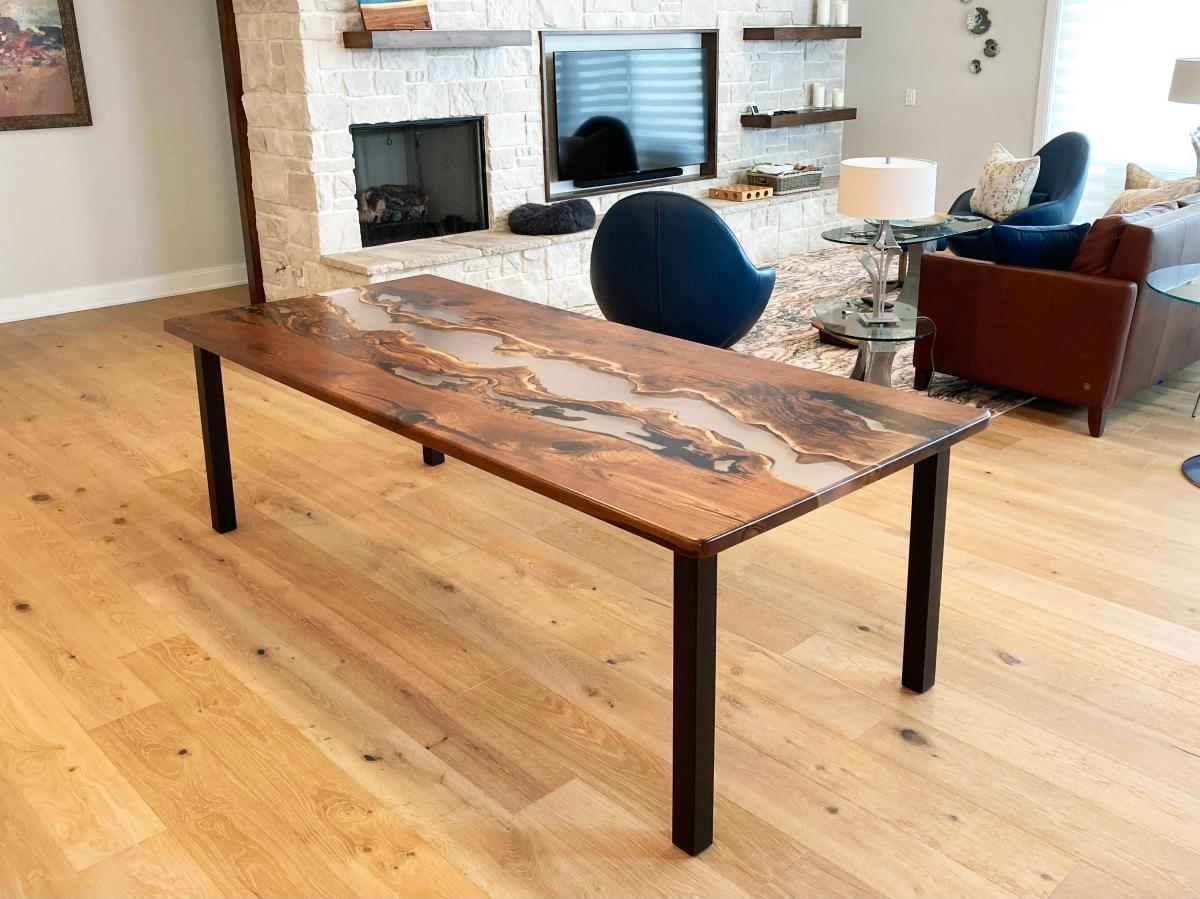
For stained tables, countertops, and bar tops that need serious protection, a clear epoxy coating is one of the most durable topcoat options available. Epoxy cures to a thick, hard, water-resistant surface that stands up well to daily use, making it a popular choice for surfaces that see a lot of activity.
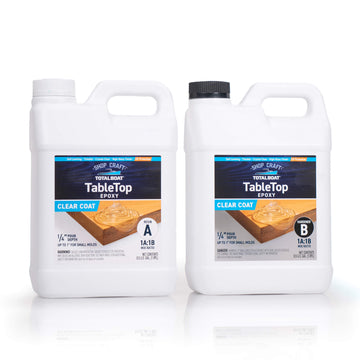
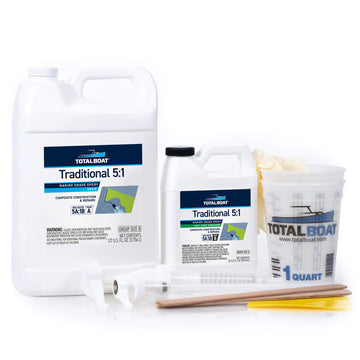
When applying epoxy over stain, timing matters. Oil-based stain needs a minimum of 24 hours to dry before epoxy is applied. Pour or spread the epoxy in an even layer, work out any bubbles with a heat gun or torch, and allow it to cure fully before the surface sees any use. Most epoxy topcoats benefit from a second coat for added depth and protection, and light sanding between coats ensures good adhesion if you've gone past the recoat window.
Keep in mind that epoxy produces a glossy, glass-like finish by nature. If that's the look you're going for, it's a fantastic option. If you prefer a more natural wood appearance, varnish or gel polyurethane will likely be a better fit.

Above: TotalBoat Legacy Wipe-On Polyurethane Gel Wood Finish over Signature Stain in Provincial
How to Re-Stain Wood Furniture
If you're working on a piece that already has a stain and/or finish on it, the approach is a bit more involved. Here's what to expect:
Assess the Existing Finish
If the current finish is in good condition with no peeling, cracking, or delamination, and you just want to refresh the topcoat rather than change the color, you may be able to lightly scuff-sand the surface and apply fresh finish coats without stripping everything back. If the finish is failing or you want to change the color, you'll need to strip down to bare wood first.
Strip and Re-Prep
Use a paint or finish stripper appropriate for the existing coating type, following the manufacturer's instructions carefully. Once the old coating is off, start sanding with 120- or 150-grit to remove any residue, then work up to 220-grit for a smooth, even surface. From there, clean the wood with denatured alcohol and follow the application steps above.

Tips for Professional Results
Test on scrap first
The way a stain looks on a chip or swatch isn't always how it looks on your specific wood. Hardwoods like oak and ash tend to accept color evenly, while softer woods like pine can be blotchy and unpredictable. Test on a scrap from the same board, or a hidden area of the project, before you commit to the full surface.
Work in good lighting
It's easy to miss areas of uneven coverage or pooling in poor lighting. Natural light is best, but a positioned work light will do the job.
Don't delay the wipe-off
The most common mistake when staining wood for the first time is letting the excess sit too long. Keep clean rags within arm's reach before you ever start applying.
Stay consistent with grain direction
From sanding to applying to wiping, always move with the grain. This single habit does more than almost anything else to keep the final result clean and even.
Let each coat dry completely
Applying a second coat of stain, or a topcoat, over tacky stain will create a problem with the finish.
Ready to Finish Your Project?
Staining and finishing interior wood rewards patience and attention to prep. The sanding and cleaning before you ever open the stain can are what set the whole project up for success. From there, apply your stain in thin, even coats, wipe promptly, and protect your work with a topcoat that suits the demands of the piece.
Whether you're building something from scratch or bringing a worn piece of furniture back to life, taking the time to do each step right gives you a result that looks professional and lasts.