












Types of Wood Finishes:
Penetrating vs. Film-Forming Explained
October 2026
The right wood finish protects your project from moisture, wear, and sun while bringing out the color and grain that made you choose the wood in the first place. With so many woodwork finishes to choose from, from penetrating oils to marine spar varnish, it can be hard to know where to start. This guide breaks down the two main types of wood finishes, the most popular options in each group, and how to pick the one that fits your project.

Safety
Most wood finishes contain solvents, so work in a well-ventilated area, wear nitrile gloves and safety glasses, and use a respirator rated for organic vapors when working with oil-based products. Keep finishes away from open flames and pilot lights, and read the product label and Safety Data Sheet before you begin.
Rags and pads soaked with wood oils or oil-based finishes can spontaneously combust as they dry. Never ball them up and toss them in the trash. Lay them flat to dry outdoors or place them in a sealed metal container filled with water, then dispose of them according to your local regulations.
What Are the Different Types of Finishes for Wood?
Every wood finish falls into one of two groups based on where it does its work. Penetrating finishes soak into the wood fibers and cure inside them, giving you a natural, close-to-the-wood look and feel. Surface finishes cure into a hard film on top of the wood, giving you a tougher barrier against water, abrasion, and UV exposure. A few products land in between, like oil and varnish blends, but knowing which way a finish leans tells you a lot about how it will look, how well it will hold up, and how you'll maintain it.
Penetrating Wood Finishes
Penetrating finishes are the best choice when you want wood to look and feel like wood. They deepen the color, highlight the grain, and leave a low, natural sheen without a plastic-like coating. They're also the easiest finishes to maintain, since worn spots and light scratches can usually be fixed by cleaning the area and wiping on a fresh coat with no sanding required. The trade-off is less protection against heavy wear and water exposure, so plan on refreshing them more often than a surface finish.
Tung Oil
Tung oil comes from the nut of the tung tree and cures into a water-resistant finish that warms up the wood’s natural tone. It builds slowly over several thin coats, rewarding your patience with a durable, hand-rubbed look on furniture, floors, and trim. When shopping, read the label closely, since many products sold as “tung oil finish” are blends rather than pure tung oil. These blends often add solvents to thin the oil, metallic dryers to speed up curing, or varnish resins to build a glossier film. The additives make the finish faster drying and easier to apply, but they also mean the finish is no longer considered food safe. If you’re finishing a cutting board, salad bowl, or anything else that touches food, choose a product labeled 100% pure tung oil and let it cure fully before use. For furniture and trim, a blend can save you time and give you more sheen.

Before and after of a bowl using TotalBoat Pure Tung Oil
Danish Oil
Danish oil blends oil with varnish resins, giving you a little more protection than a straight oil while keeping the easy wipe-on, wipe-off application. It dries to a soft satin luster and works well on furniture, cabinets, turned pieces, and decorative woodwork. If you're new to wood finishing, Danish Oil is a forgiving place to start.
Teak Oil
Teak oil is formulated to penetrate dense, naturally oily hardwoods like teak, where many other finishes have trouble bonding. It restores rich color to weathered wood, which makes it a popular choice for outdoor furniture and boat trim, and regular reapplication keeps the wood looking its best through the season.
Oil-and-Wax Finishes
Oil-and-wax blends are among the easiest wood finishes to use, since you wipe them on, let them soak in, and buff off the excess. They bring out the grain right away and leave a soft, smooth feel that's simple to refresh whenever the surface starts to look dry. Food-safe versions are ideal for cutting boards, bowls, butcher block, and turned pieces, and many woodturners use them as a friction polish on the lathe. For these kinds of projects, reach for Wood Honey.
Wood Stain
Wood stain soaks into the wood to change or even out its color while letting the grain show through, so you can warm up a pale wood, match existing furniture, or blend boards with different tones. Stain adds color, not protection, so follow it with a clear surface finish once it has fully dried. Test your color on a scrap piece or hidden spot first, since the same stain can look very different from one species to the next.

Surface-Coating Wood Finishes
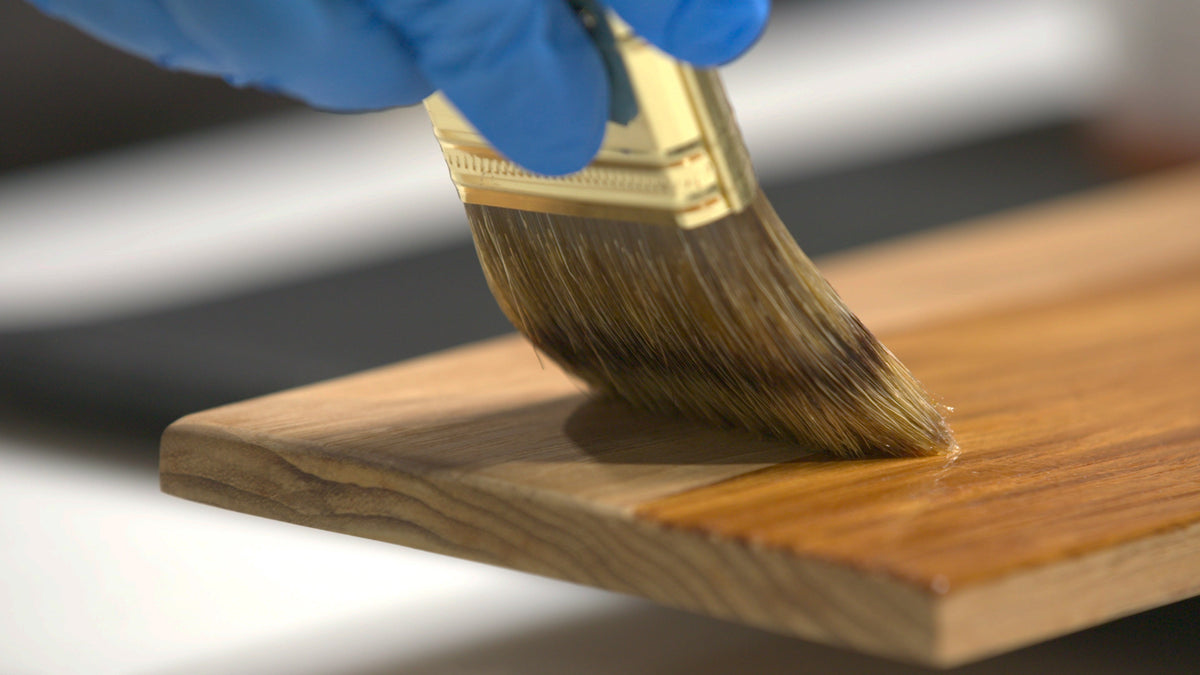
Surface finishes deliver the strongest, longest-lasting protection, which makes them the go-to for tabletops, high-traffic furniture, and anything that lives outdoors or on the water. They build up in multiple thin coats with or without light sanding between them, and you can choose the sheen you want, from a soft satin to a deep, mirror-like gloss. Because they form a film, repairs usually mean sanding and recoating the damaged area rather than simply wiping on more finish.
Oil-Based Wood Varnish
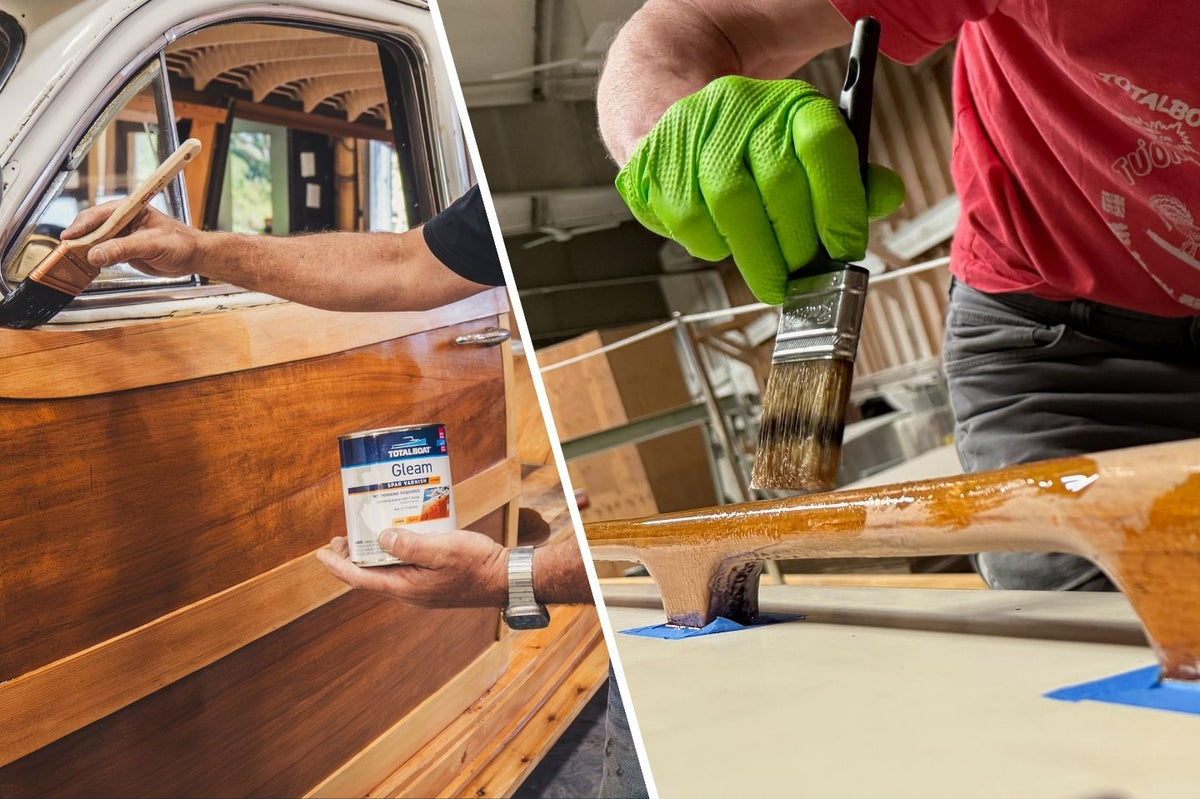
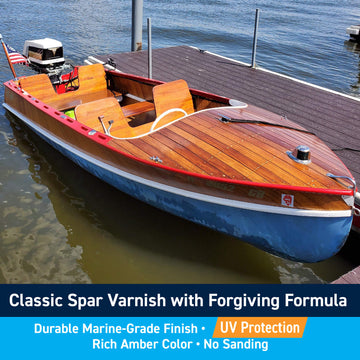
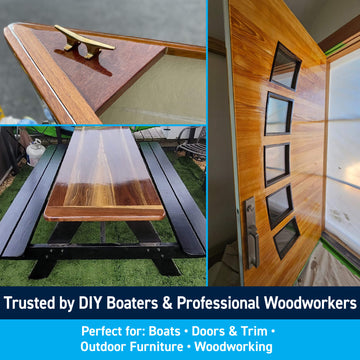
Traditional oil-based wood varnish gives wood a warm amber glow and stays flexible enough to move with the wood as it expands and contracts through the seasons. Marine formulas also include UV protection that helps keep bare wood from graying and breaking down in the sun, which is why oil-based varnish has long been a favorite for brightwork, rails, doors, and outdoor furniture. A classic spar varnish like Gleam is a reliable all-around choice, while Lust delivers a deep, high-gloss finish for brightwork that stands out at the dock.
Water-Based Wood Varnish
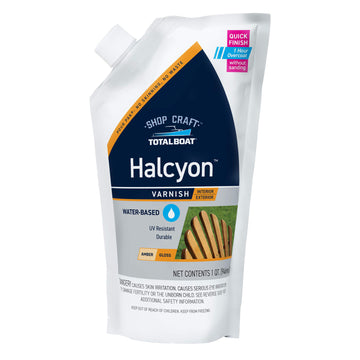
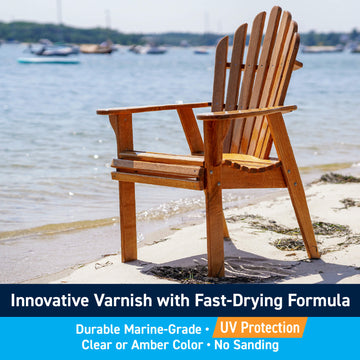
Water-based varnish dries clearer and holds the natural color of the wood instead of adding an amber tone, so it's a great fit for lighter woods and projects where you want to keep the look true to the raw material. It also has lower odor, dries fast so you can recoat sooner, and cleans up easily with water.

Chair finished with water based varnish, Halcyon by TotalBoat
Wipe-On Polyurethane
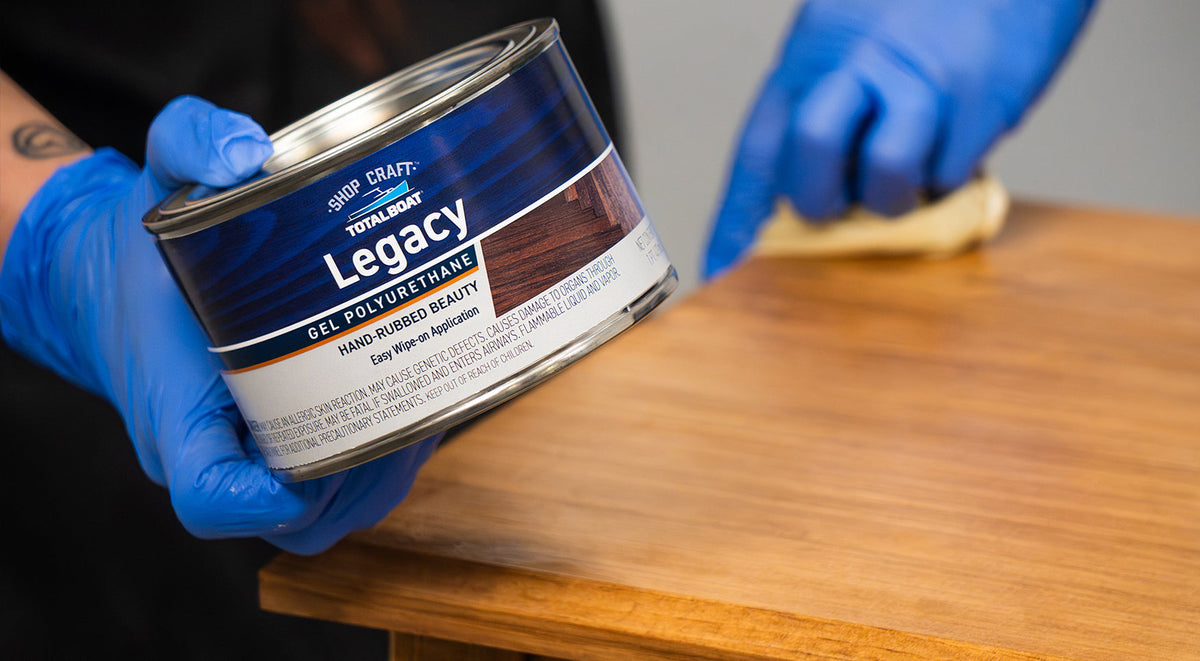
Wipe-on polyurethane gives you the durability of a poly film with the easy control of a rag application. Each coat goes on thin, so it levels nicely, resists drips and brush marks, and handles curved or detailed surfaces well. It's a great option creating a smooth, hand-rubbed look on tabletops, chairs, shelving, and interior trim.
Shellac, Lacquer, and Paint
Shellac and lacquer are traditional surface finishes often used in fine furniture and cabinet shops. Shellac gives a warm, classic look but is easily damaged by water, heat, and alcohol, while lacquer dries quickly to a hard film but is usually sprayed, which puts it out of reach for many home workshops. Paint is also a surface finish, and it's the right call when you want to cover the grain completely with a solid color.
What Are the Most Popular Wood Finishes?
The most popular wood finishes are the ones that balance good looks, solid protection, and easy application. Wood varnish leads the way for outdoor, marine, and high-wear projects, while wipe-on polyurethane is a favorite for indoor furniture and trim. On the penetrating side, Danish oil and tung oil are go-to choices for a natural hand-rubbed finish, teak oil is a staple for outdoor hardwoods, and oil-and-wax blends are the top pick for cutting boards and turned pieces.

Gleam Marine Spar Varnish works fantastic on brightwork as well as outdoor furniture
How to Choose the Right Wood Finish
- Where the wood will live. Outdoor and marine projects face sun, rain, and temperature swings, so they need a UV-resistant wood varnish or a regularly maintained oil, while indoor pieces can use lighter-duty finishes like wipe-on poly or Danish oil.
- How the piece will be used. Tabletops, handrails, and other high-contact surfaces benefit from a surface finish, while cutting boards and bowls that touch food call for a food-contact-safe finish.
- The look you want. Decide whether you want a clear or amber tone, a high gloss or a low natural sheen, and whether you want to stain the wood grain first.
- How much maintenance you'll do. Surface finishes last longer between applications but take more work to repair, while penetrating finishes need more frequent refresh coats but are much easier to touch up.

TotalBoat marine varnishes can be rolled, sprayed or brushed
Wood Finish FAQ
Is a penetrating or surface finish better?
Neither is better across the board, since each suits different projects. Choose a surface finish when you need maximum protection against water, wear, and UV, and choose a penetrating finish when you want a natural look and feel with easy touch-ups.
What is the most durable wood finish?
Surface finishes like wood varnish and polyurethane offer the most durable protection against moisture, scratches, and wear. For outdoor and marine projects, a varnish with UV protection is your best bet, while wipe-on poly is a durable option for interior furniture and trim.
Can you put varnish over wood oil?
In many cases, yes, as long as the oil has fully cured and the product labels confirm the two are compatible. Finishes that contain wax aren't a good base for varnish because the wax can interfere with adhesion, so always test a small area before coating the whole project.
What is the difference between wood stain and wood finish?
Wood stain changes the color of the wood, while a wood finish protects it. Stain goes on first, and once it's dry, you seal it with a clear finish like varnish or polyurethane to lock in the color and guard the wood against damage.
Should I use oil-based or water-based varnish?
Oil-based varnish adds a warm amber tone and stays flexible, which makes it a longtime favorite for exterior and marine brightwork. Water-based varnish dries clearer and faster with less odor and easier cleanup, which makes it appealing for lighter woods and projects where you want to keep the natural color.
Get Expert Help Choosing Your Wood Finish
Every project is a little different, and the TotalBoat tech support team is happy to help you pick the right wood finish, work through application questions, or troubleshoot a tricky surface. Give us a call at (888) 986-6623, and we'll help you get a finish you'll be proud of for years to come.