











Gleam vs. Lust Marine Varnish: Which is Best for Your Wood Project?
September 2026
If you've shopped for a marine varnish for woodwork and landed on TotalBoat's site, you've probably noticed two products that look like they do the same job: Gleam and Lust. Both are one-part marine spar varnish, both cure to a warm amber shine, and both protect wood from sun and water. So what actually separates them?
The short answer is that Gleam and Lust solve the same problem in different ways. Gleam trades a bit of build speed for ease of use, and Lust trades a bit of simplicity for speed and depth. Once you know how each one behaves, picking the right can for your brightwork, canoe, or cabinetry gets a lot easier.

What Gleam and Lust Have in Common
Before we get into the differences, it helps to know what these two marine spar varnishes both:
- Use a one-part, solvent-based polyurethane resin system
- Cure to a clear amber color that shows off the wood's natural grain
- Carry UV inhibitors to guard against sun damage
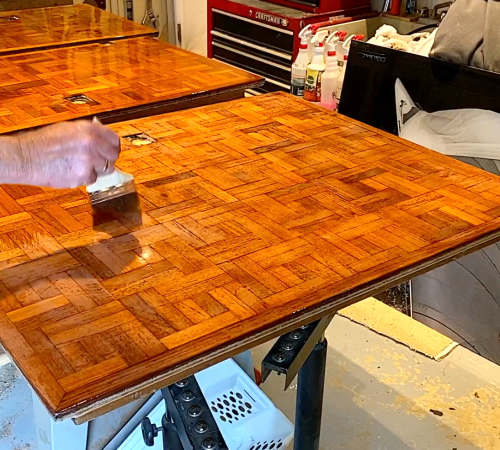
- Apply by brush, roll and tip, or spray
- Thin with the same two solvents: TotalBoat Brushing Thinner 100 for brush and roll work, and TotalBoat Spray Thinner 101 for spray applications
- Accept multiple coats in the same day without sanding between them, as long as you stay within a 48-hour recoat window
- Pair well with TotalBoat Wood Sealer as an optional first coat on bare wood, which seals the grain without any thinning
Because they share a chemistry and an application style, you can even switch between them mid-project if your plans change. That said, each one earns its place in the lineup for a reason.

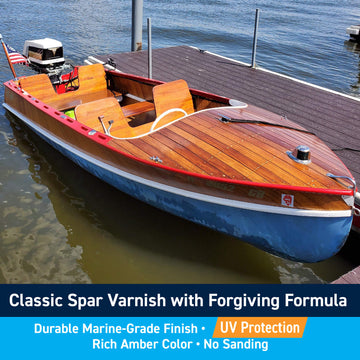
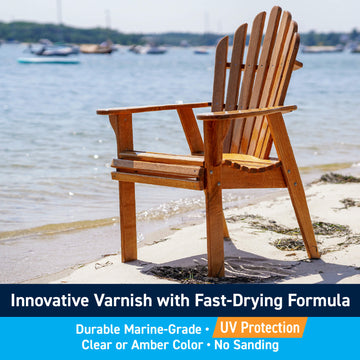
Lust Marine Spar Varnish on canoe
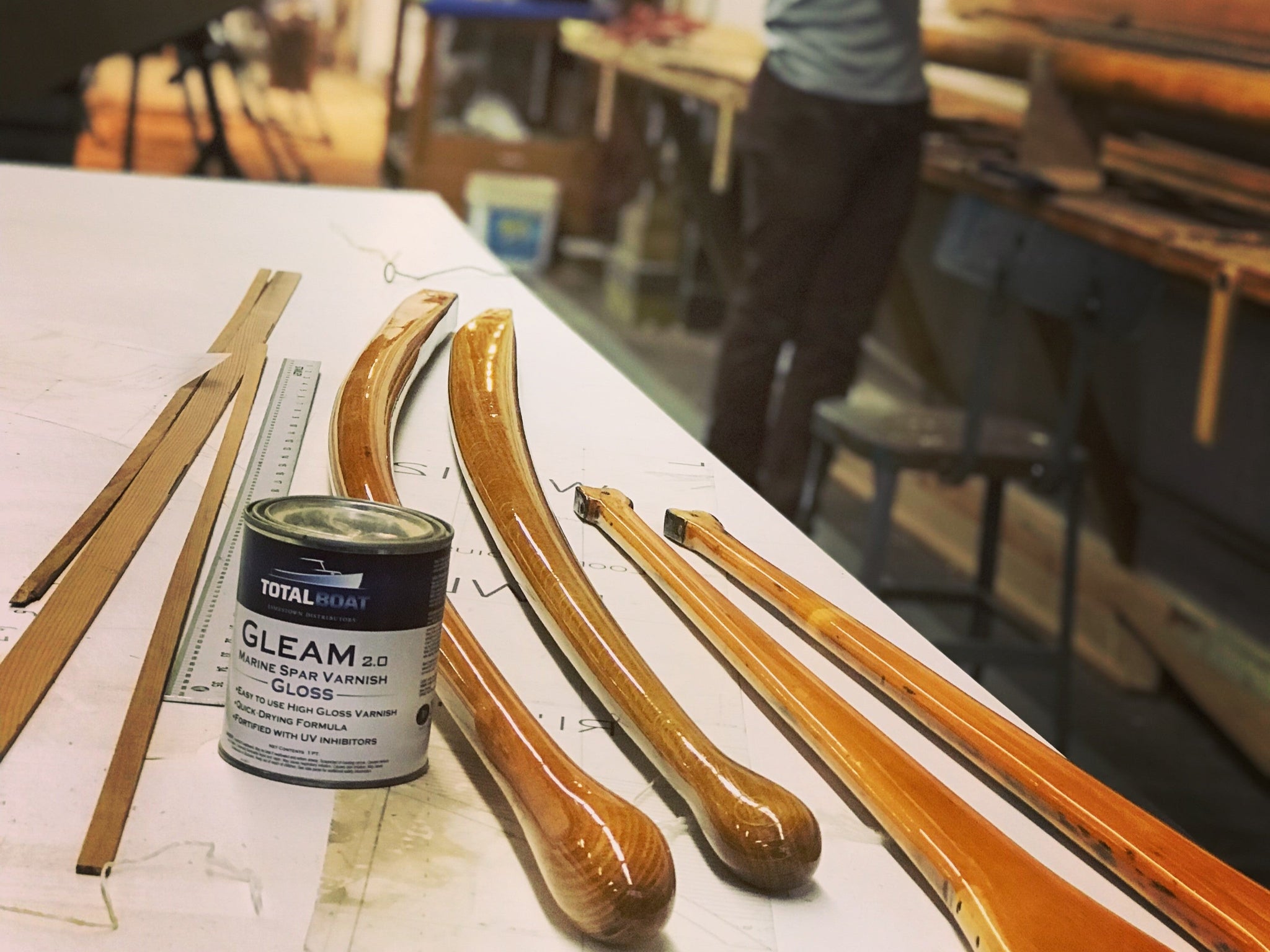
TotalBoat Gleam: The Easy, Forgiving Marine Spar Varnish
Gleam is the varnish TotalBoat built for people who want a great finish without a steep learning curve. It's ready to use straight from the can, forgives minor technique slips, and rewards patience rather than demanding precision.
Gleam's Finish Options
Gleam comes in gloss or satin. The gloss version cures to a mirror-like shine above 90% gloss at 60 degrees, while the satin option settles into a softer 40 to 50% range, giving you a more understated look on brightwork, paddles, or interior trim.
How Gleam Builds and Dries
Gleam allows up to three coats per day, and TotalBoat recommends four to six total coats to properly fill the wood grain. Because it doesn't require thinning for most brushing and rolling work, each coat goes on close to how it pours out of the can. That simplicity is exactly why Gleam earns its reputation as the most forgiving spar varnish in the lineup, and it's a smart pick for strip-built canoes, kayaks, and other projects where you want dependable results without babysitting the formula.
TotalBoat Lust: The High-Build, High Gloss Wood Varnish
Lust exists for boaters and professionals who want a premium finish without waiting weeks to get there. TotalBoat developed it so that it has a similar look and viscosity to traditional European varnishes, but with a formula that lets you build coats far faster.
Lust's Finish Options
Lust comes in high gloss or matte. The high-gloss formula cures above 92% gloss, the highest of any TotalBoat varnish, while the matte version knocks the sheen down for a low-key finish. One important note: apply Lust Matte only as a topcoat over one or two final coats, never as a base or build coat, since it can leave white specks if applied directly to bare wood.
How Lust Builds and Dries
This is where Lust separates itself. It allows up to five coats in a single day, with a minimum overcoat time of just one hour at 72 degrees. TotalBoat recommends six to eight total coats for the best clarity and UV protection, and because Lust carries a higher solids content than Gleam, each coat lays down more material. The result is a varnish that can reach a full, deep build in a fraction of the calendar time a traditional spar varnish needs.
That speed comes with a small tradeoff: Lust's higher viscosity means it typically needs 5 to 10% thinner for brushing and rolling to get the flow right, so it needs more attention from the person applying it.

- | Gleam | Lust |
|---|---|---|
Finish Options | High Gloss, Satin | High Gloss, Matte |
Cell text | Cell text | Cell text |
Cell text | Cell text | Cell text |
Which Marine Varnish for Wood Should You Choose?
Reach for Gleam if you want an easy, dependable finish
Gleam makes the most sense for weekend builders, first-time varnishers, and anyone who wants a reliable satin or gloss finish without fussing over thinning ratios. It's a great match for kayaks, paddles, tillers, and interior woodwork where you want a beautiful result on a more relaxed timeline.
Reach for Lust if you want speed and a premium build
Lust suits builders who need a high-gloss finish fast, whether that's a commercial shop turning boats around quickly or a DIYer who doesn't want to spread a varnish job across several weekends. Its rapid recoat window and higher solids content make it the better choice for exterior brightwork that takes a beating from sun and salt.

Tips for Getting the Best Results with Either Varnish
Regardless of which marine spar varnish you choose, a few habits go a long way toward a lasting finish.
Sand bare wood smooth with 220-grit paper and clean away every trace of dust before the first coat goes on. Keep your application temperature between 60 and 85 degrees whenever possible, since colder temperatures slow curing and hotter ones can cause the varnish to skin over too fast. Stir, don't shake, before each use, and give satin or matte formulas an extra thorough stir since the flattening agents that create the low-sheen look tend to settle. Finally, apply more coats on exterior projects than you would indoors. Every additional layer adds real UV protection, not just extra shine.
Common Issues and How to Avoid Them
Is Gleam or Lust better for a first-time varnishing project?
Gleam is the more forgiving choice for a first attempt. It applies straight from the can with little thinning and tolerates minor technique mistakes better than a high-solids formula.
Can I use Gleam and Lust on the same project?
Yes. Both varnishes share the same resin chemistry and thinners, so you can build with one and finish with the other if your plans or timeline change mid-project.
Which varnish dries faster?
Both Gleam and Lust feature rapid recoat formulas, where the next coat is ready to apply in as little as an hour. However, if you’re looking to build up more coats in a day, Lust permits up to five coats per day compared to Gleam at three. Keep that in mind when building out your project timeline.
Do I need to thin Gleam or Lust before applying?
Gleam typically needs little to no thinner for build coats. Lust's higher viscosity usually calls for 5 to 10% thinner when brushing or rolling to help it flow evenly.
Need Help Picking the Right Varnish?
Every project has its own quirks, and our team is happy to help you match the right marine varnish to solve yours. Give the TotalBoat support team a call at 888-986-6623, and we'll help you get the finish you're after.