








Perry has been building his Scow Bow 14, a foam-core sailboat designed for trailerable ocean passages, one careful step at a time. This video picks up where his lead-pouring episode left off, and it is worth watching that first part too if you want the full story behind these keel bulbs. In this installment, Perry tackles one of the trickiest phases of the build: encapsulating and mounting the lead ballast on his twin keels. Anyone who has poured lead knows the shape rarely comes out perfect, and Perry starts by fixing a void with a mix of lead shavings and marine epoxy resin before smoothing the flat and curved surfaces by hand.

From there, the real work begins. Lead needs a barrier between itself and seawater or it will corrode, so Perry builds one with the 5:1 epoxy, chopped strand mat, and peel ply, giving the bulbs a flat, solid surface to seat against the keels. He drills mounting holes with careful attention to keeping them square, then heads to a friend's shop with a drill press to finish the job with precision. Along the way he isolates every metal in the assembly, since mixing stainless steel and mild steel underwater invites galvanic corrosion he wants no part of.

Once the bulbs are shaped and drilled, Perry moves into the bonding stage, and this is where TotalBoat Seal Elastomeric Marine Sealant earns its place in the build. He uses it to bed the lead keel bulbs against the hull, running stainless steel bolts through a flanged sleeve that keeps the mild steel isolated from everything else. Seal works well here because it skins over fast, so dust and debris in a busy shop do not compromise the bond, and it holds firm on vertical and overhead surfaces without sagging while it cures. It also stays flexible once fully set, which matters on a keel bulb that will flex and vibrate under sail, and it resists saltwater, oil, and UV exposure without breaking down. Perry does not need to prime the surface first, since Seal bonds directly to fiberglass, lead, and stainless steel, which keeps this stage of the build moving.


With the bulbs bonded, Perry fills and fairs the bolt holes using TotalFair epoxy fairing compound, sanding the areas around the bolt heads to help the water move past them more efficiently. This is where TotalProtect Epoxy Barrier Coat Primer comes in. Perry mixes it at the standard 3:1 ratio and applies it directly over the lead, giving the metal a protective shield against the corrosion that untreated lead suffers underwater. TotalProtect works as both a primer and a barrier coat, so it seals out moisture while creating a strong foundation for the paint that follows, and its high-build formula fills minor surface imperfections without demanding hours of sanding. Perry finishes the keels with a two-part epoxy topside paint and Spartan antifouling bottom paint, giving the lead both a hard protective shell and lasting resistance to fouling once the boat is back in the water.


After priming and painting the keels, Perry hauls the boat to a boat ramp in Vandemere, North Carolina, ready to see her hit the water for the first time with her new ballast in place. Before the launch, though, he answers a question his viewers have been asking since the start of the series: how much does this boat actually weigh? A trip to a CAT scale gives him the number. The empty weight, including the mast, boom, and rudder, comes in at 1,300 pounds, heavier than Perry expected. Strip away the removable gear and the bare hull weighs 1,234 pounds, giving Perry a real baseline to work from as he plans the next stages of outfitting and sailing.
Watching Perry work through this process is a reminder that a strong boat gets built one deliberate decision at a time. Choosing the right sealant to bond a keel bulb, or the right barrier coat to protect it from corrosion, is not a small detail. It is the difference between a keel that holds for decades and one that fails quietly under the waterline where nobody can see it coming.
If you are planning a project of your own and want to talk through which sealant or barrier coat fits your build, TotalBoat's tech support team is ready to help. Give us a call at (888) 986-6623 or reach out through our website, and we will help you get it right the first time.


Seal Elastomeric Marine Sealant
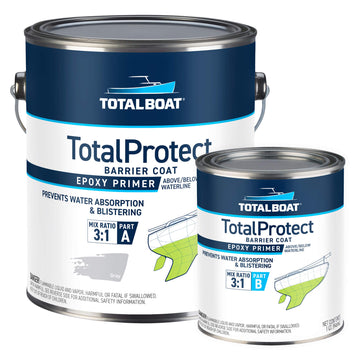
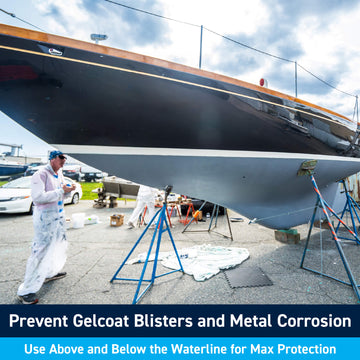
TotalProtect Epoxy Barrier Coat Primer
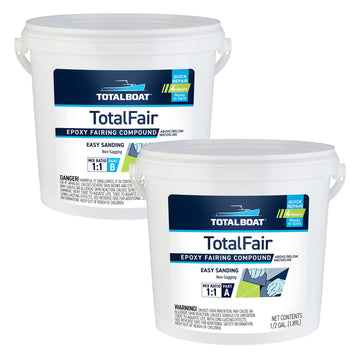
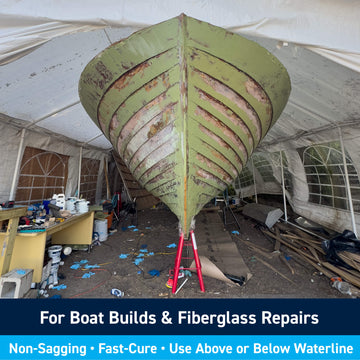
TotalFair Epoxy Fairing Compound
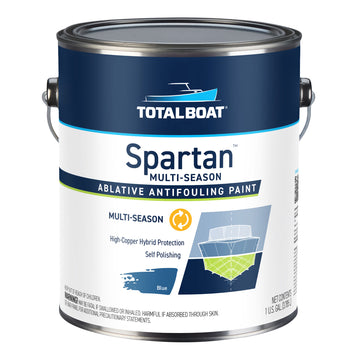

Spartan Multi-Season Boat Bottom Paint
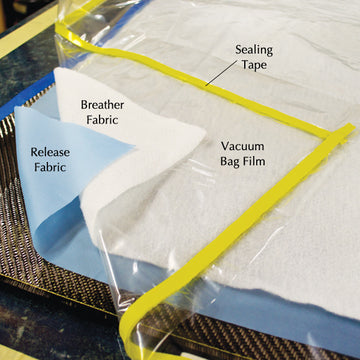
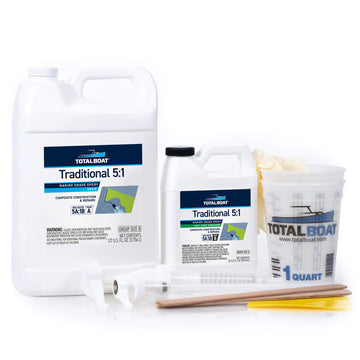

Traditional 5:1 Marine Epoxy Resin Kits


