










If you've been following the Sailing Parlay Revival blister repair saga, you know this project has been anything but simple. After pulling SV Parlay — Colin's hurricane-rescued Lagoon 450 catamaran — out of the water and discovering thousands of blisters across the hull, the crew spent 10 grueling weeks grinding, rebuilding, and protecting their boat from the inside out. In the latest episode, 'Watch This Before Buying a Fiberglass Boat,' they finally cross the finish line. And the lessons packed into this video are ones every fiberglass boat owner needs to hear.
The Scale of the Problem (and the Cost)
To put the scope of this project in perspective, Colin didn't hold back: "If we were in the States, for example, and had to pay contractors to do what we've done, I think you'd be looking at a bill close to around $80,000 — that's four to six guys fulltime for 10 weeks, plus dockage, power, and materials."
Even doing the work themselves they still spent around $20,000. Hull blisters aren't just cosmetic. Left untreated, they eat into fiberglass layers, compromise structural integrity, and turn into a wallet-draining nightmare.
Why Barrier Coat Is Non-Negotiable
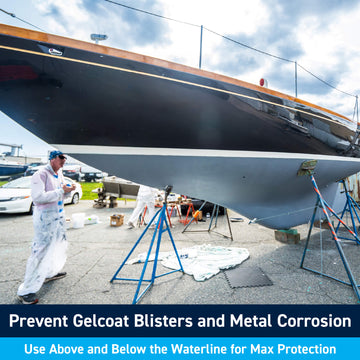
The most important takeaway from this episode — and the one Colin drives home repeatedly — is this: gelcoat alone is not waterproof. That surprises a lot of first-time boat buyers, but it's a fundamental truth about fiberglass construction. Gelcoat is the skin of the boat, but without a proper epoxy barrier coat beneath the waterline, water molecules migrate through it over time, creating the osmotic blistering that plagued SV Parlay.
"The skin of this boat is a thick layer of gel coat, but gelcoat itself is not waterproof. And that is why it's imperative that you add some sort of barrier coat, which is usually an epoxy coating of some sort."
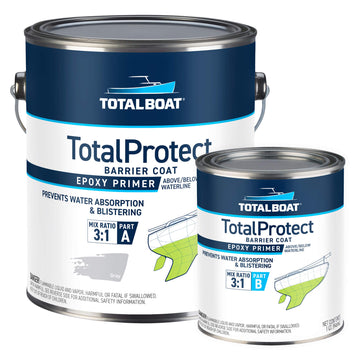
For their barrier coat, the team used TotalBoat TotalProtect, a two-part epoxy system designed specifically for this purpose. They ended up applying six full coats for maximum protection.
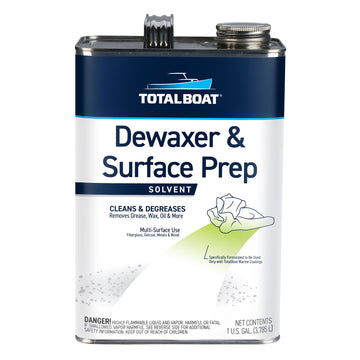
One feature Colin called out as a genuine time-saver: when applying TotalProtect coat-over-coat, you don't need to sand between applications. A wipe-down with Dewaxer & Surface Prep is all it takes. "If you're going TotalProtect straight up onto another coat of TotalProtect, you don't have to sand it, which is huge. So it saved us loads of time."
Pro tip from the video: If you're doing your own barrier coat application, use alternating colors for each coat so you can clearly see your coverage. Colin and crew painted white-on-white for this haul-out, which made tracking coats trickier than necessary — something to keep in mind when ordering your materials.

Prop Speed, Dino Plates, and the Final Prep Push
The barrier coat was just one piece of a very full final week. Colin and the crew also tackled:
-
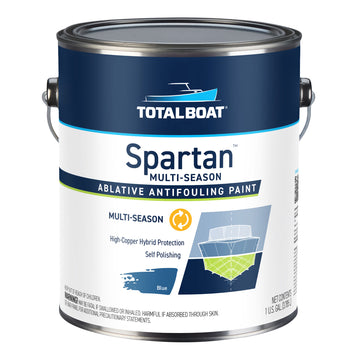
Antifouling paint — Colin used TotalBoat Spartan for the bottom job, applying two coats across the hull with a third along the waterline where growth is most aggressive. Spartan is a self-polishing ablative formula, which means it slowly wears away as the boat moves through the water — constantly exposing fresh antifouling agents underneath. As Colin put it, it works "like a used bar of soap." For a crew planning to cross the Indian Ocean, that kind of long-term, low-maintenance protection is exactly what you want below the waterline.

-
Prop Speed — applied to the propellers and sail drives following a strict, step-by-step process. As Colin noted, prop speed failures are almost always application errors, not product failures. Clean the metal with Prop Clean, apply etch primer in two generous coats, then follow immediately with the clear topcoat. Two teams worked both props simultaneously to stay within the required application windows.
-
TotalBoat Thixo — when it came time to set the new rudder bearing collars, Colin reached for TotalBoat Thixo Fast Cure Epoxy Adhesive to fill and lock them in place. The two-part adhesive mixes automatically as it comes out of the nozzle, which Colin clearly appreciated: "This Thixo stuff is amazing — it mixes as it comes out the nozzle, two parts." With the collar needing to cure perfectly square — and no way to remove it once set — having a reliable, fast-cure adhesive on hand was critical.

-
Dino plates — bronze sacrificial plates installed for a new Certekch lightning protection system — particularly meaningful for a crew that has been struck by lightning twice.
-
Rudder bearing repairs — a technically demanding job that required lifting the entire boat several meters in the air and setting new collars in thickened epoxy. (For the full story on how they got to this point, check out our post on rebuilding the hulls).
The Splash
After 2.5 months on the hard — far longer than the one month Colin originally planned — SV Parlay finally went back in the water. The moment wasn't without drama: a starboard sail drive that wouldn't engage, a near-miss with the dock, and a nervous inspection of every new through-hull and fitting. But she floated. Nothing leaked.
"The hulls, rudders, bulkheads, and keels are now stronger than any other Lagoon 450 in the world."
That's a bold claim — but after watching what Colin and his crew put into this boat, it's hard to argue with. With SV Parlay now back in the water and heading toward Phuket, the next chapter of their journey across Asia and toward the Indian Ocean is just getting started.

What You Should Do Before Buying a Fiberglass Boat
Colin's message is clear: before purchasing any used fiberglass boat, inspect the hull for blisters. Pop a few with a screwdriver. If liquid comes out, you're looking at a potentially expensive repair project. And if you already own a fiberglass boat that's never had a proper barrier coat applied, do it now — before the water does the deciding for you.
The full TotalBoat system Colin trusted for this repair — TotalProtect for the barrier coat, Spartan for the bottom paint, and Thixo for structural bonding — is far cheaper than grinding out and reglassing three layers of fiberglass. Six coats of barrier coat, properly applied, and SV Parlay's hull is ready for another decade of offshore sailing.
Follow Colin's full journey at Parlay Revival and subscribe to the Sailing Parlay Revival YouTube channel to catch the next chapter as they make their way toward Phuket and beyond.
Have questions about barrier coat application or blister repair? Email us info@totalboat.com or explore the full TotalBoat paint product lineup for your next bottom job.
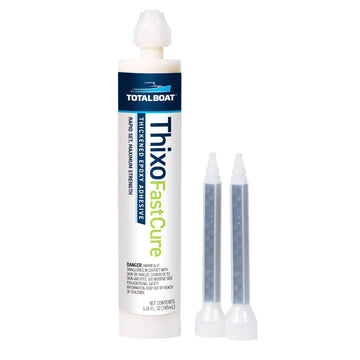

Thixo Fast Cure 2:1 Epoxy Adhesive

TotalProtect Epoxy Barrier Coat Primer

Spartan Multi-Season Antifouling Paint