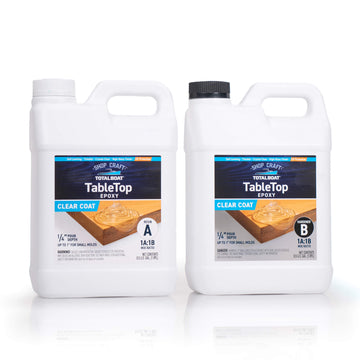

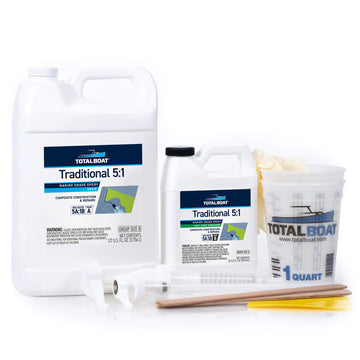





















Epoxy is the most finicky of all resins – if you don’t measure the components precisely, the material can stay tacky and never reach its full strength and hardness. The good news is that it’s easy to measure epoxy components by weight or by volume, and we’ll show you how to do it.
What is an Epoxy System?
An epoxy system includes epoxy resin and epoxy hardener components that are designed to work together. Combining the two components at the specified mix ratio of resin to hardener ensures a proper cure.
What is a Mix Ratio?

A mix ratio indicates how much epoxy resin and hardener to use for a given epoxy system. The resin is Part A, and the hardener is Part B. The mix ratio is usually written as two numbers, with a colon in the middle, such as 1:1, 2:1. 3:1, 5:1 and so on. The first number indicates the amount of epoxy resin; the second number specifies the quantity of hardener. You might also see the mix ratio written to include the A & B parts, for example, 1A:1B. You can find the mix ratio on the product labels or on the product data sheets.
Mix ratios also specify whether the components are to be measured by weight or by volume.
What’s the Difference Between a Mix Ratio by Volume and a Mix Ratio by Weight?
The epoxy resin and hardener components have different densities, so the mix ratio by weight will ALWAYS be different than the mix ratio by volume.
For example, an epoxy that has a 1:1 mix ratio by volume, may have a 100:83 mix ratio by weight, because the epoxy resin and hardener components have different weights. Epoxy manufacturers typically provide both the mix ratio by volume and the mix ratio by weight.
Tips for Measuring Epoxy
- Verify the mix ratio for the epoxy system you’re using.
- Figure out how much mixed epoxy (resin and hardener combined) you need. If you need help estimating the amount of epoxy needed for your project, use our handy epoxy calculator.
- Always use the precise mix ratio specified – do not add extra resin or hardener to speed up the cure of epoxy or the material won’t cure properly.
- Work in the ideal temperature range. Most epoxy systems cure best between 60–90°F. Working outside that range — especially in a cold space — can cause a slow, incomplete, or soft cure. Check your product's data sheet for the recommended application temperature and let your workspace warm up before you start.
- Use the right mixing cup for the job. Not all mixing cups are created equal. Cups that are too thin or too narrow can concentrate heat and contribute to an exothermic reaction — where the mixed epoxy heats up rapidly and can smoke, crack, or cure prematurely in the cup. Always use a sturdy, wide-bottomed plastic mixing cup appropriate for the volume you're mixing. Thin disposable plastic cups (like those used for beverages) are not suitable for epoxy mixing.
-
Warm up cold resin before mixing. Epoxy resin that's too cold becomes thick and viscous, making it difficult to measure accurately and mix thoroughly. If your resin has been sitting in a cold garage or shop, warm it up first by placing the closed container in a warm water bath (around 90–100°F) for 10–15 minutes. Never use a direct heat source like a heat gun or microwave.
How to Measure Epoxy by Weight
Measuring epoxy by weight is the most accurate way because you know the precise weight of each component. You’ll need a scale sensitive enough to accurately measure the amount of resin and hardener you’re mixing. A digital gram scale is great for smaller quantities – you could even use a food scale (set to grams).
To measure epoxy components by weight, do the following:
- Set a disposable plastic cup on the scale and tare the scale (set it to zero).

- Add the required weight of epoxy resin (Part A).
- Leave the cup in place and zero the scale out again.
- Add the required weight of hardener (Part B) to the same cup.
Pro Tip: It’s important that you don’t accidentally count the weight of the mixing cup and that you measure the hardener precisely. So be sure to set the scale to zero before you add the epoxy resin so the weight of the cup isn’t included. After adding and weighing the epoxy resin, set the scale to zero again to get an accurate weight for the hardener component.
How to Measure Epoxy by Volume
To measure epoxy by volume, you can pour it into mixing cups or use metered pumps to dispense the proper mix ratio.
Measuring Epoxy by Volume Using Metered Pumps
Metered pumps are convenient when you want to accurately measure and dispense resin and hardener components in fairly small quantities of less than an ounce or up to a few ounces. These pumps are available in various mix ratios and are pre-calibrated to dispense the precise ratio of epoxy resin and hardener. You get a reliable cure and less mess dispensing epoxy with the pumps.
*Make sure you get a metered pump with a mix ratio equivalent to the mix ratio of the epoxy you plan to put in it. Not all formulas are compatible with metered pumps.
Follow these steps to use metered pumps to dispense epoxy components:
- Prime the pumps. To do this, place a cup under the pump head to catch the waste material. Press down on the pump until you get a steady stream of material. Repeat for the other pump. Do not use this material.

- Next, use a clean mixing cup, and press down once on the epoxy resin pump.
- Then press down once on the hardener pump.
- Repeat one pump of epoxy resin to one pump of hardener until you have the desired quantity of material.
Large, Manual Pumps are Ideal for Dispensing Epoxy Frequently

These manual epoxy resin and hardener metering pumps are available with different mix ratios. They're designed to provide the precise mix ratio, whether you need a few drops or a few quarts, and can be used for any project size. This type of epoxy dispenser has large reservoirs to hold the resin and hardener components, and some include heaters to keep the components flowing more easily from the pumps.
Measuring Epoxy by Volume Using Graduated Mixing Cups

Pre-marked plastic mixing cups have graduated markings for volumetric measurements. All the numbers might make your eyes swim, but it’s easy once you know what you’re looking at. Graduated mixing cups help you measure the components quickly, accurately, and all in one cup!
How to Use a Graduated Mixing Cup to Measure Epoxy Resin and Hardener
Once you know the total amount of mixed material you need, pick the right size mixing cup, then follow these steps to measure the resin and hardener:
- On the side of the mixing cup, find the graduation marks that match the mix ratio.

- In this example, we’ll use a mix ratio of 3:1, which means we need to measure 3 parts epoxy resin (Part A) to 1 part hardener (Part B). Epoxy is a two-part product, so you only need to pay attention to the first two numbers. The third number at the far right is for products that have a third component, and it doesn’t apply to epoxy systems.

- The numbers beneath the 3:1 column headings are not ounces, they’re volumetric markings that help you measure the resin and hardener accurately. Pour the epoxy resin (Part A) till it reaches the desired mark in the first column, then pour the hardener on top of the resin till it’s level with the matching number mark in the second column. In this example, we’re pouring epoxy resin to the ‘5’ mark in the first column, and then pouring hardener to the ‘5’ mark in the second column.

Whether you measure epoxy components by weight or by volume, be sure to dispense the precise ratio of resin to hardener specified by the epoxy manufacturer. If you have any questions about mix ratios, measuring epoxy, or working with epoxy, please reach out to our TotalBoat Tech Support Team at (800) 497-0010 for answers!
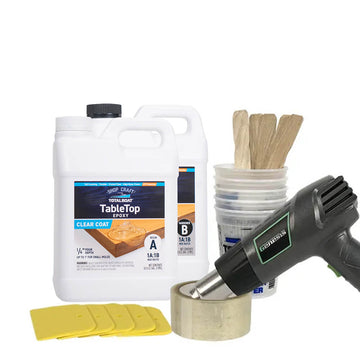

Clear Epoxy Bar Top & Table Top Project Kits


Clear High Performance Epoxy Kits
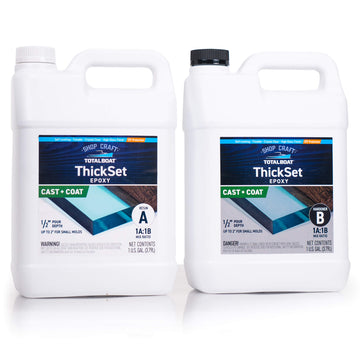

ThickSet Cast + Coat Deep Pour Epoxy Resin Kits


2 comments
Hi Jose! Please contact our support team for help with figuring out how much product you need. Our support team is available M-F 8am-5pm est at 1-800-497-0010. Or you can email info@totalboat.com
If the table top epoxy said I need 50.45 oz how much resin and hardener I need for the 1:1 ratio. Can you send me the formula please? I need help!