
















There are museums that tell you about the past, and then there is the Essex Historical Society and Shipbuilding Museum, a place where the past is still happening.
Located along the Essex River in Essex, Massachusetts, EHSSM is a working waterfront campus where students drive wooden trunnels, retired shipwrights pass knowledge to teenagers, and boats built by hand still enter the same river they always have. The site has been in continuous use for shipbuilding since 1668, and at its peak, the town of Essex produced more two-masted wooden fishing schooners than any other place on earth.
We recently sat down with Whitney Van Dyke, Secretary of the Board of Directors, to learn what it means to steward this kind of living legacy, and how modern materials like TotalBoat products are helping keep more than 350 years of tradition seaworthy.

More Than a Museum
If you ask Whitney to describe EHSSM, the word she reaches for is living.
"EHSSM brings together historic structures, working boat shops, hands-on education, active restoration projects, exhibitions, and community gathering spaces in a setting deeply rooted in craftsmanship, maritime culture, and the working waterfront," she says. "The museum is not simply interpreting history. It is actively carrying forward the knowledge, culture, and traditions that shaped Essex for centuries."
Visitors don't just look at things here, they also hear tools in the shop, smell fresh-cut wood, meet volunteer builders, and watch students learning skills that have been refined along this river for generations. The museum acquired the historic Story Shipyard in 1993, bringing the campus to the water's edge and changing the trajectory of the institution entirely.
"That matters because shipbuilding did not stop here," Whitney explains. "Boats are still being built, repaired, restored, and launched from this waterfront. The knowledge remains active and connected to the place where it was developed."

The Essex Method: A Culture of Craft
To understand EHSSM is to understand the "Essex Method" — the distinctive approach to wooden shipbuilding that made this small Massachusetts town a global force in maritime history.
"Essex shipbuilding was deeply collaborative," Whitney says. "Designers, builders, caulkers, spar makers, riggers, captains, and laborers all lived and worked alongside one another, refining ideas across generations. Knowledge moved through families, waterfront conversations, and daily work in the yards."
The result was a style of vessel renowned for beauty, balance, speed, and seaworthiness, and a regional identity so thoroughly shaped by the shipyard that the two became inseparable. Today, EHSSM carries that identity forward not by preserving it under glass, but by continuing to practice it.

Modern Science, Traditional Craft
Operating a working wooden shipyard in the 21st century means making thoughtful decisions about where tradition ends and practicality begins. At EHSSM, those decisions are made with care.
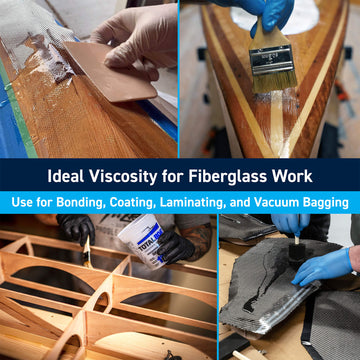
"Traditional craftsmanship still sits at the center of the work," Whitney says. "Students continue learning lofting, steam bending, planking, joinery, sharpening, and hand tool skills — but modern coatings and adhesives can help extend the lifespan of vessels and reduce maintenance demands where appropriate."
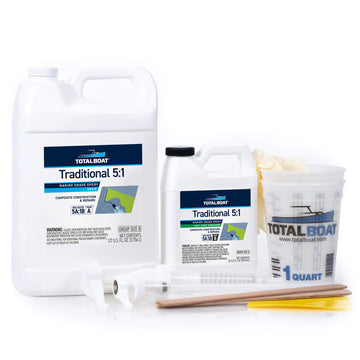
That's where TotalBoat comes in. Products like High Performance Epoxy and Lust Marine Varnish have become go-to tools on the yard for exactly that reason.
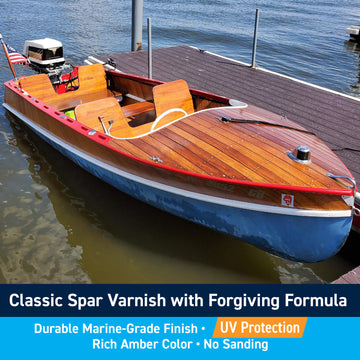
"Products like Lust Marine Varnish are especially useful because they protect brightwork while still allowing the warmth, texture, and character of wood to remain visible," Whitney explains. "The goal is never to erase traditional practice, but to support the long-term stewardship of wooden boats that are still actively used, launched, rowed, sailed, and taught on the Essex waterfront."
What Happens When Students Arrive
For many first-time visitors to the yard, the biggest surprise is that this is not a "look but don't touch" experience.
"They arrive at an active shipyard where they are expected to participate, ask questions, handle tools, and become part of the work," Whitney says. "Very quickly, they find themselves driving trunnels, steam-bending wood, rowing on the river, or working together to solve real problems with their hands."
The moment that often shifts something in a student is the realization that everything around them was built by people — not machines, not factories, but individuals working together with practical knowledge passed across generations.
"For many students, especially those who struggle in traditional classroom settings, that realization can be transformative," Whitney notes. "A student who may not see themselves as 'academic' suddenly realizes they can shape wood, use tools safely, read a tape measure, contribute to a team, and help build something tangible and real."
Through programs like Land & Sea, students from neighboring school communities come together before transitioning to middle school, learning rowing, water safety, salt marsh ecology, and invasive species management — all from boats they helped build themselves.
"Students are not only learning about history or ecology in abstraction," Whitney says. "They are actively participating in the ongoing relationship between people, boats, and the river that has shaped Essex for generations."

Stewards of the Salt Marsh
EHSSM's commitment to this place doesn't stop at the shoreline. Environmental stewardship is woven into the museum's identity, from wood reclamation and sustainable shipbuilding practices to active green crab mitigation efforts in the Essex salt marsh.
"Historically, shipbuilders had an intimate understanding of natural systems because their livelihoods depended on them," Whitney explains. "At EHSSM, environmental stewardship feels like a continuation of that legacy."
The museum sources lumber from local tree companies rather than imported stock, repurposing wood that would otherwise be chipped or burned. High school students, interns, and volunteers participate in hands-on crab trapping to protect the fragile seagrass beds and native shellfish populations. The Essex River, in Whitney's words, "remains the reason this community exists. Caring for it is part of honoring the generations who built their lives along its shores."
44 Main Street: A Once-in-a-Generation Opportunity
This spring, EHSSM secured 44 Main Street — a historic property at the gateway to the museum campus, representing one of the most significant milestones in the organization's history. The community responded with remarkable speed, committing nearly $1 million in under nine months.
"The property creates a once-in-a-lifetime opportunity to expand programming, improve visitor experiences, support collections and educational initiatives, and strengthen the overall campus connection between the historic village and the waterfront," Whitney says. "It gives EHSSM the ability to think long-term — ensuring that future generations will continue to have access to this history, these skills, and this working waterfront."
The planning phase is underway, and the museum is actively welcoming support from the broader maritime community.
The People Who Make It Run
None of it happens without the community that surrounds it.
"We are small but mighty," Whitney says with characteristic directness. "Many volunteers bring decades of experience in woodworking, boating, engineering, or education. Others arrive simply because they want to learn something new or help preserve an important local tradition."
What draws people to the yard again and again is the same thing across the board: the chance to work with their hands, belong to a community, and contribute to something larger than themselves. It's the same pull, Whitney suggests, that drew shipwrights to this river four centuries ago.

A Living Reminder
When asked for a piece of shipbuilding wisdom that captures the spirit of Essex, Whitney shares a moment from the yard rather than a formal saying — something she's heard from Harold Burnham, a master Essex shipbuilder, National Heritage Fellow, and one of the leading traditional wooden shipwrights in the country.
"You'll be halfway through doing something in the shipyard, committed enough that changing course would be inconvenient, and Harold will look over and say, 'Well… you could do it that way.'"
She pauses before unpacking it.
"There's a lot of Essex shipbuilding culture wrapped up in that sentence. The work demands patience, observation, problem-solving, and respect for consequences. Wood remembers your decisions. Boats do too."
At EHSSM, that patience, that respect for consequences, and that commitment to doing things right are values that are practiced every day on the waterfront.
EHSSM is open for public tours May through October, with programs, research visits, and special events running year-round. Exhibits open May 20, 2026. To visit, volunteer, support the 44 Main Street campaign, or learn more about upcoming workshops and programs, visit essexshipbuilding.org.
TotalBoat is proud to support the craftspeople, educators, and stewards keeping wooden boat traditions alive.


2 comments
I love that the kids are rowing with thole pins and quoits!
Thanks very much. I look forward to visiting the next time I’m in your area. Louis Somma is my daughter Ann’s husband.