How much boat bottom paint do I need?
Select the type of coating, then enter the length and beam in feet before selecting Calculate.
Keep in mind that numbers are rounded up to the nearest Quart.












FREE SHIPPING with a minimum puchase of $1,200.00
You are $10.00 away from your free shipping!
Subtotal:
$0.00
Shipping, taxes, and dicount codes calculated at checkout.
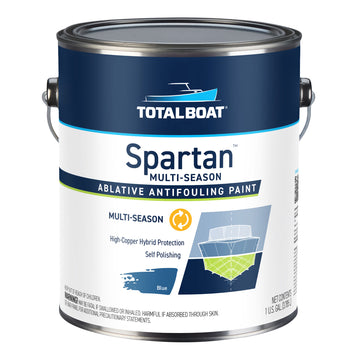
Not sure how much antifouling paint or barrier coat primer you need to paint or prime your boat's hull? The math may seem complicated, but we've created this handy calculator to take the guesswork out. Just select the type of coating, add the dimensions of your boat, and you'll see how much paint we recommend for when you're ready to get started.
Note: This calculator is ideal for estimating the amount of paint needed for boat bottom painting. Use this topside paint calculator for estimated coverage above the waterline.
To determine hull coverage, start with estimating the wetted surface area, where the hull sits below the waterline. Use the simplified formula below, or enter your boat's dimensions and let the calculator do the work. For barrier coat applications, multiply your result by the number of coats you plan to apply (typically 2–6 coats for first application).
Select the type of coating, then enter the length and beam in feet before selecting Calculate.
Keep in mind that numbers are rounded up to the nearest Quart.
Prep is everything. The most common cause of bottom paint failure is that the coating loses its adhesion on an improperly prepared hull. Any existing antifouling paint that is peeling, flaking, or incompatible with your new paint must be removed before you start. Wet-sand or lightly abrade the hull surface to create some "teeth" that will allow the paint to mechanically bond. If you're applying barrier coat to bare fiberglass, degrease thoroughly with solvent and let the surface dry completely before your first coat.
Always wear proper PPE. Antifouling paints contain biocides that are dangerous to breathe in or touch with bare skin. Wear a respirator rated for organic vapors, nitrile gloves, and protective clothing like a paint suit. Do not sand dry antifouling paint without a proper respirator; the dust is hazardous. Follow all safety guidelines on the product label and SDS.
Temperature and humidity matter. Most antifouling paints and epoxy barrier coats have a working window, typically between 50°F and 90°F and with relative humidity below 85%. Applying outside these ranges can lead to poor adhesion, slow cure times, fish-eye, or peels. Check the forecast and plan your haul-out accordingly. Early morning or evening application can help you stay within the window on hot days.
Stir constantly. Keep in mind that biocide particles are the densest material in the bottom paint and are quick to settle. Shake or stir thoroughly before you open the can, stir again before you pour into your tray, and stir the can periodically throughout the job. Letting the paint settle leads to uneven biocide distribution, which can create weak spots in your antifouling protection.
